A SIMULATION OF JAPANESE FAMILY LAW
What you should know
before raising a child
in Japan.
For anyone marrying into Japan, planning a family here,
raising children in Japan, or working in foreign policy.
Reading time: about 7 minutes
This site collects no personal information.
Anything you type stays on your own device.
PROLOGUE
Which are you?

You got married.
A new family begins, with the person you love.
Nothing but hope ahead.
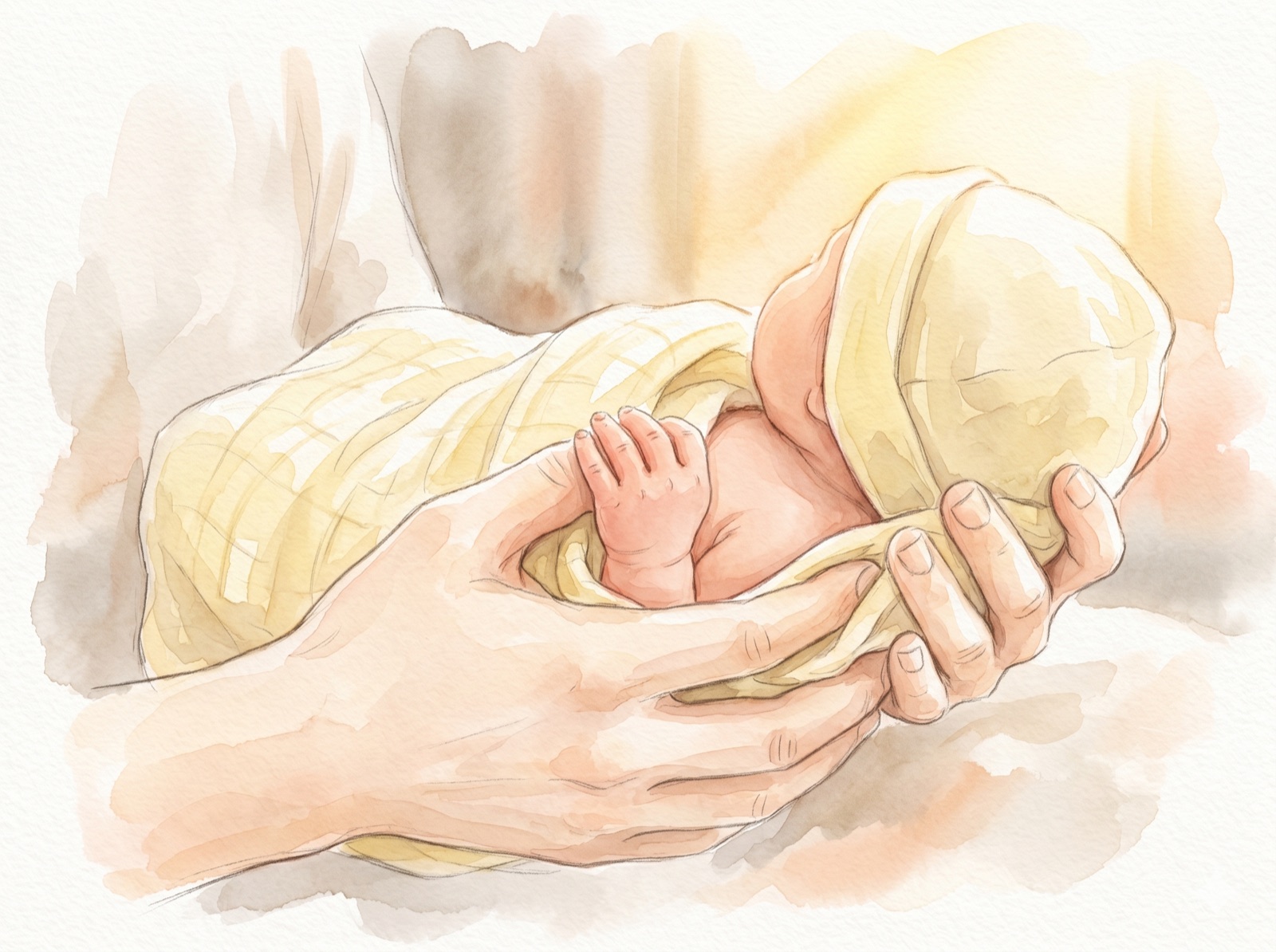
A child was born.
A small, precious life.
Stays on your device. Never sent anywhere.
3 YEARS LATER
Daily life with Aoi.

Hours you spent caring for Aoi
0
hours
Your involvement
Almost daily
Your spouse's involvement
5.0×/wk
— THE GOOD DAYS —
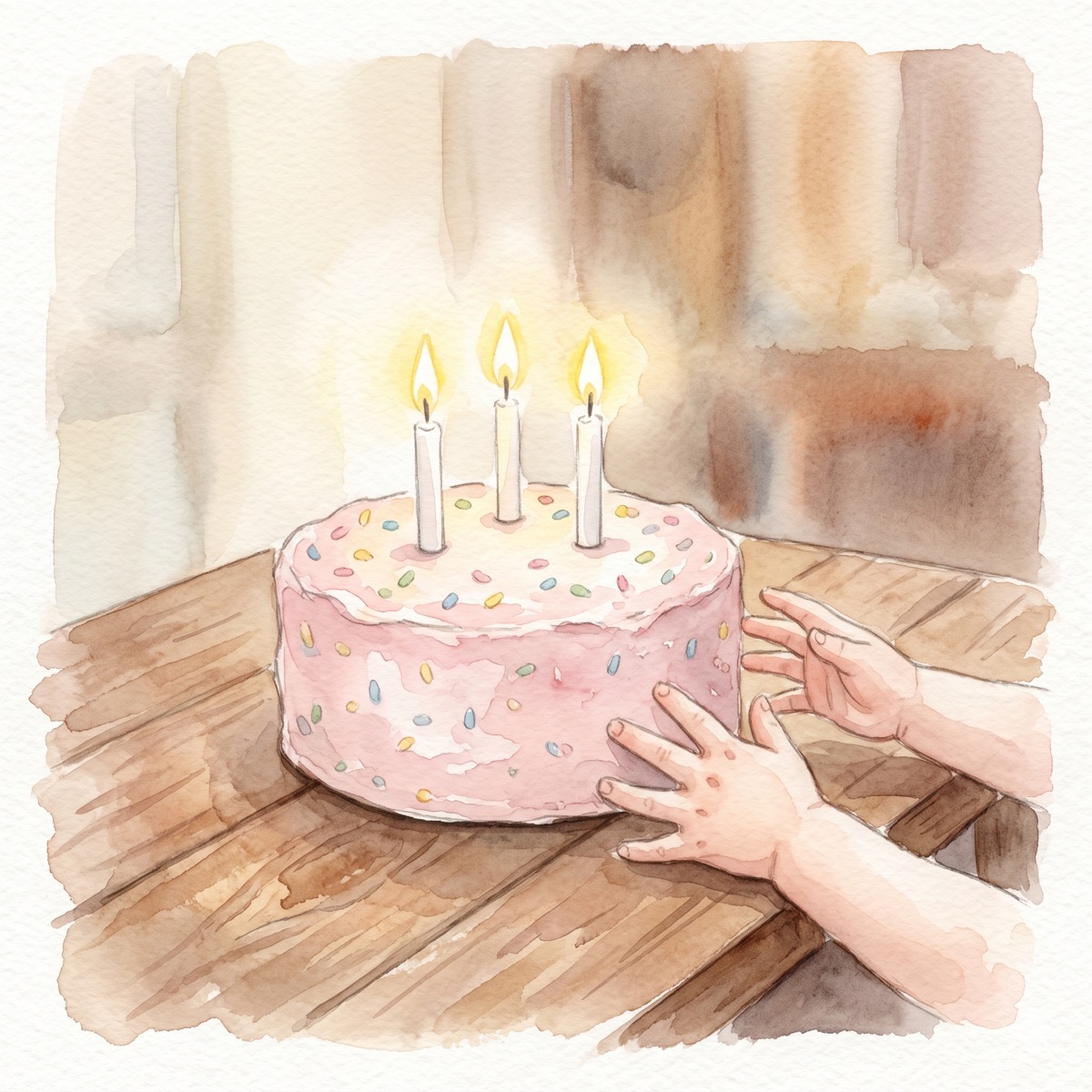
Made by you.

every night, your voice.

You were running alongside.
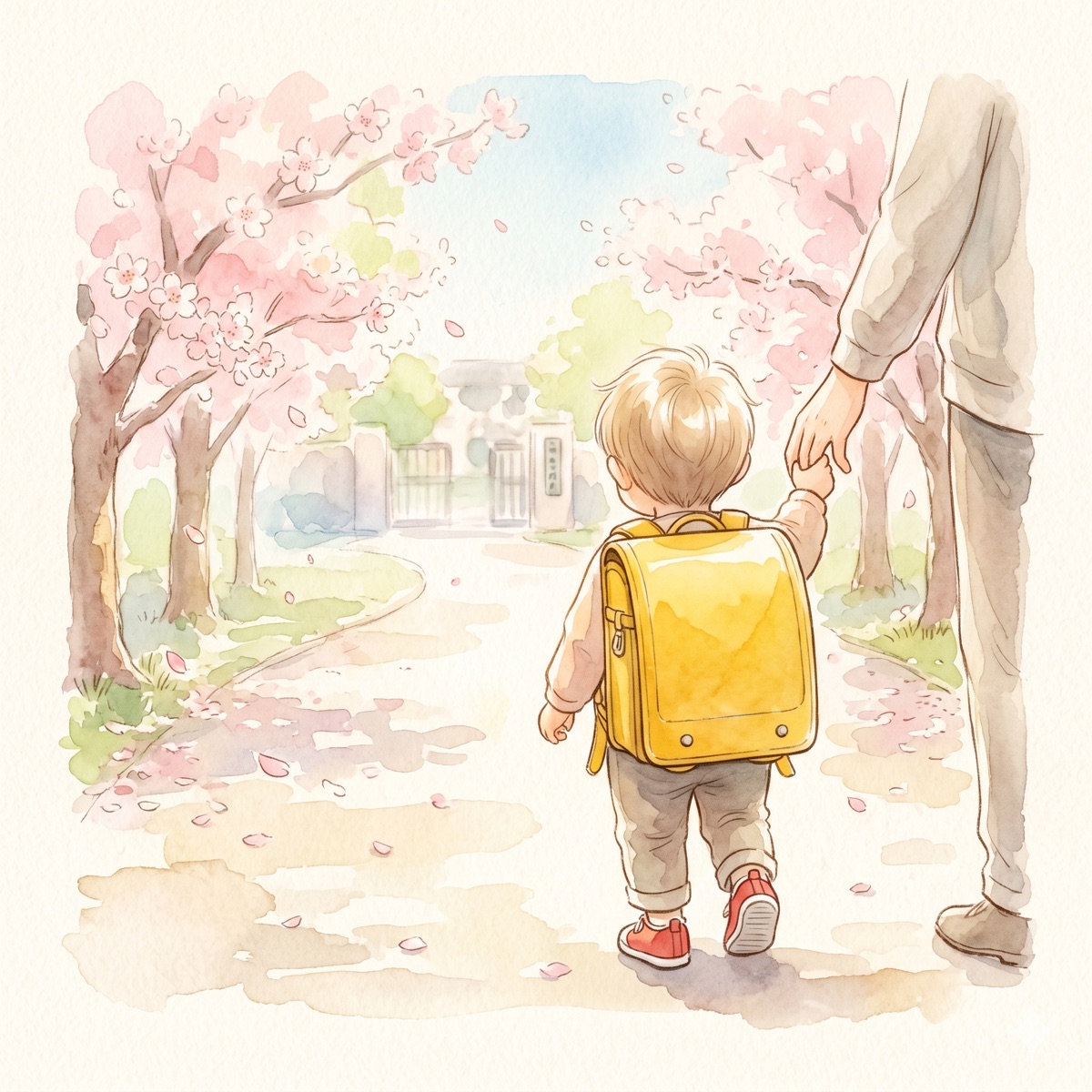
You held their hand.
— WHAT YOU CARRIED —
- ● The daycare called: "Aoi has a fever." Your wife said, "I'm in a meeting." You left work and rushed there. Every single time. The daycare called: "Aoi has a fever." Your husband said, "I can't get away." You left work and rushed there. Every single time.
- ● Midnight ER visits. The drive, the waiting room, holding Aoi close — all you, alone.
- ● You gave up the promotion track and switched to reduced hours, prioritizing time with Aoi above your career. You stepped back from full-time work to part-time, sacrificing your career to be there for Aoi.
- ● Night feedings, broken sleep — yet you smiled "good morning" the next day.
- ● First steps, first words — you witnessed them all.
- ● Your wife chose her career — frequent travel, away more than half the month. Your husband stayed at work late, gone most weekends. Away more days than home.
- ● Aoi's last birthday — your spouse had forgotten.
- ● The school recital they promised to attend — they never came. Aoi looked for them in the audience.

You felt a quiet,
certain confidence.
"No one has cared for Aoi more than I have."
"No one has shaped these days more than I have."
"Even if anything happened, this bond cannot be taken from me."
— That's what you believed.
— ONE DAY —
You went to work, like any other morning.
That evening, you came home —
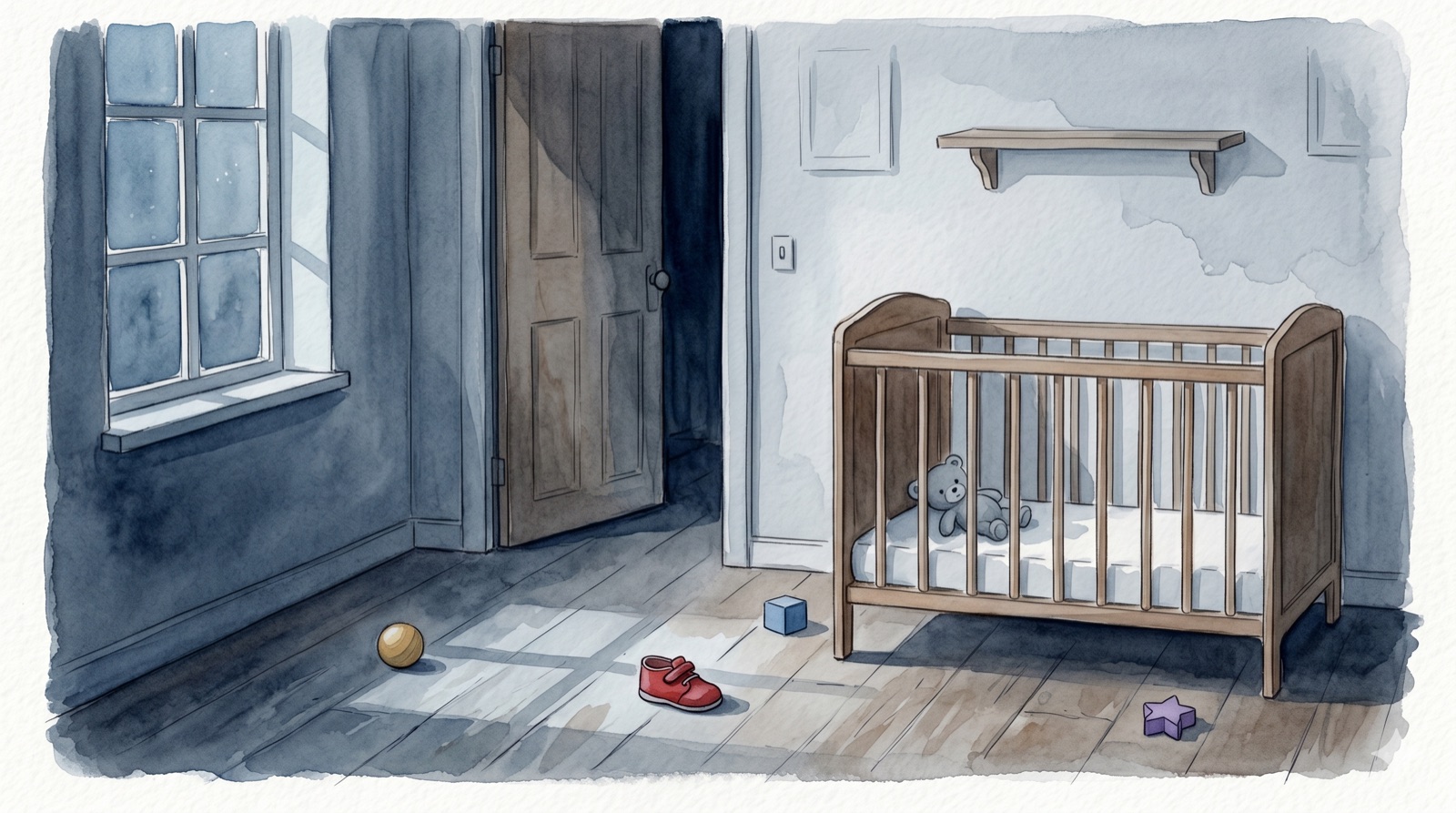
The house was
completely empty.
The shoes, the toys, all gone.
All that remained:
one small shoe, by the door.
A message from your wife: A message from your husband:
"I've gone back to my parents' home.
Aoi will be raised by me.
Don't contact us."
Every hour you gave to Aoi,
every sacrifice, every act of love —
in this moment, gone.
— A CHOICE —
What will you do?
Whichever you pick, watch how it ends.
PATH A — LEGAL ACTION
The "Custody Trio": Designation + Return + Provisional Order
(~$3,000–$4,500)
(~$3,000–$4,500)
(~$6,000–$9,000)
You paid the retainer and filed in family court.
While you wait months for hearings, your spouse accumulates new "custody history" with the child — every passing day, in their favor.
Even if you win —
What if they refuse to hand the child over? Continue.
PATH B — MEDIATION
You tried the peaceful route.
You decided that aggressive legal action was too harsh, so you filed for visitation rights instead.
Your spouse refused outright. Court granted only "trial visits" — 2 hours, once per month.
Meanwhile, the abducting parent's "custody history" piles up.
By the time you fight for full custody, the "Continuity Principle" hands the child to them — because they have been living with the child the whole time.
The trap of this path:
By not filing the urgent custody trio early, you may be deemed to have "tacitly accepted" the abductor's care.
PATH C — SELF-HELP
In Japan, picking up your own child can make you a criminal.
"I'm the parent. What's wrong with going to get my child?"
You went to your spouse's family home and tried to bring Aoi back.
Supreme Court of Japan, Dec 6, 2005
"A father, even one who shares custody, who used force to remove a 2-year-old child living with the mother — cannot claim the act was justified."
→ Convicted of minor abduction. 1 year prison, suspended for 4 years.
Even legal parents can be prosecuted for trying to recover their own children.
You become a criminal record holder — devastating any future custody fight.
PATH D — RESIGNATION
Even giving up doesn't free you.
"I'm done fighting."
You walked away from the conflict and accepted the new reality.
But you must still pay marital and child support — every month.
You never see your child, yet your salary funds the abductor's household.
Refusing visitation is no grounds to reduce or stop payments.
STAGE 2
Winning the case
doesn't mean winning.
By some miracle, the court ruled in your favor: child to be returned to you.
But your spouse refuses.
Your remaining options:
- ① Indirect compulsion — small fines. They pay them and ignore.
- ② Direct compulsion (Civil Execution Act §174) — typically rejected as "harmful to the child's wellbeing."
A court order without enforcement is just paper.
STAGE 3
Time becomes the trap.
One month, six months, a year passes.
The years you devoted to the child no longer count.
The court asks: "Where does the child currently live, and with whom?"
Under the "Continuity Principle," the child stays with the abducting parent.
Through divorce mediation, custody is awarded — to your spouse.
In law, you are no longer their parent.
STAGE 4
Even legal custody
doesn't get your child back.
Suppose, against the odds, you win full custody at trial.
Your spouse still refuses to hand the child over — and the same enforcement walls stand.
Indirect compulsion is weak. Direct compulsion is denied to "protect the child."
You are the legal parent, with custody — and still cannot see your child.
This is the reality of Japan.
STAGE 5
"I'll just go get them" —
that act is a crime.
Even with full custody, recovering your own child by force is "minor abduction."
The Supreme Court ruling of December 6, 2005 settled the point.
In Japan, a parent reclaiming their child can be prosecuted as a kidnapper.
— Yet the parent who took the child first is, somehow, not.
STAGE 6 — FINAL BLOW
And still, you keep paying.
You will never see your child — and yet, every month, marital and child support payments continue.
Refusing visitation is no legal grounds to reduce them.
The parent who took your child
is funded by the parent who lost everything.
In this country,
can you really raise children
with peace of mind?
— THE REALITY IN NUMBERS —
This is not rare.
25,000+
Estimated abductions/year
100,000+
Affected children
23.4%
Of divorces involve abduction (MOJ)
54.4%
Of separation cases involve abduction
686 to 1
EU Parliament vote condemning Japan (yes to no, 2020)
$15K+
Typical legal fees fighting back
Annually, an estimated 25,000 children are taken from one parent in Japan.
Despite resolutions from the EU Parliament, U.S. State Department, and U.N.,
Japan maintains a "first to abduct, wins" legal regime.
— APRIL 2026: JOINT CUSTODY HAS ARRIVED —
Has it solved the problem?
No. Nothing structural has changed.
Reason 1 — Enforcement law was not reformed
Joint custody is being introduced, but the Civil Execution Act on child handover was not meaningfully revised. If the abducting parent refuses to hand the child over, the same "no enforcement" reality continues.
Reason 2 — Joint custody requires cooperation that doesn't exist after abduction
The new Article 819(7)(2) preserves sole custody when there is "fear of domestic violence". An abducting parent can claim "psychological DV" and obtain sole custody. And if you could agree on joint custody, abduction wouldn't have happened in the first place.
Reason 3 — The "Continuity Principle" is intact
When courts decide between joint and sole custody, the operational practice of favoring the current physical custodian remains unchanged. The abducting parent's positional advantage continues to grow with time.
Japan's 2026 reform is largely a response to international pressure —
it does not fix the underlying problem.
— THE INTERNATIONAL STANDARD —
In other developed nations,
parental abduction is a crime.
Japan stands alone in tolerating it.
United States
All 50 states criminalize parental abduction. The International Parental Kidnapping Crime Act of 1993 imposes up to 3 years' imprisonment for cross-border removal.
United Kingdom
The Child Abduction Act 1984 criminalizes removal by a parent without the other's consent.
Germany
§235 of the Criminal Code (StGB) punishes parental abduction of minors.
France
Article 227-7 of the Penal Code. Removal by a parent without the other's consent: up to 1 year and a fine.
Japan
In theory, the Supreme Court's 2005 ruling permits prosecution. In practice, parental abductions are essentially never prosecuted, and police refuse to intervene under the "civil non-intervention" doctrine.
What real reform must include
- ✓Criminalize parental abduction (international standard)
- ✓Enforceable custody orders (overhaul Civil Execution Act)
- ✓Reform of the Continuity Principle (eliminate "first to take, wins")
- ✓Mandatory shared parenting (except in DV cases)
Can you really raise
children in Japan
with peace of mind?
Japan spends over ¥6 trillion ($40B) annually on its declining-birthrate policy.
But while a parent can legally lose their child overnight—
no amount of subsidy can rebuild that trust.
This is not just a personal issue.
It is a question about the future of this country.
— ACTION —
Five things you can do.
Voices add up. Pressure changes laws.
1. Send your voice to Japan's MOJ / Diet
Pre-written English message with suggested recipients (MOJ form, your representatives)
2. Refer cases to the U.S. State Department
Official Japan IPCA page — file Hague applications, contact the Office of Children's Issues
3. Petition the European Parliament
EU citizens can submit petitions about Japan's compliance
5. Read the sources
All claims backed by judicial records, statistics, official documents
6. Contact / Submit Information
Personal stories, corrections, and additional sources are welcome
kodomo.japan.org@gmail.com
April 1, 2026: Japan's revised Civil Code takes effect.
Joint custody arrives — but the enforcement gap remains.
Meaningful reform requires sustained international pressure now.
Are you a foreign national considering marriage to a Japanese citizen?
Read the U.S. State Department's travel advisory on child custody in Japan, and consult with your country's embassy regarding the Hague Convention's limited effectiveness in Japan.